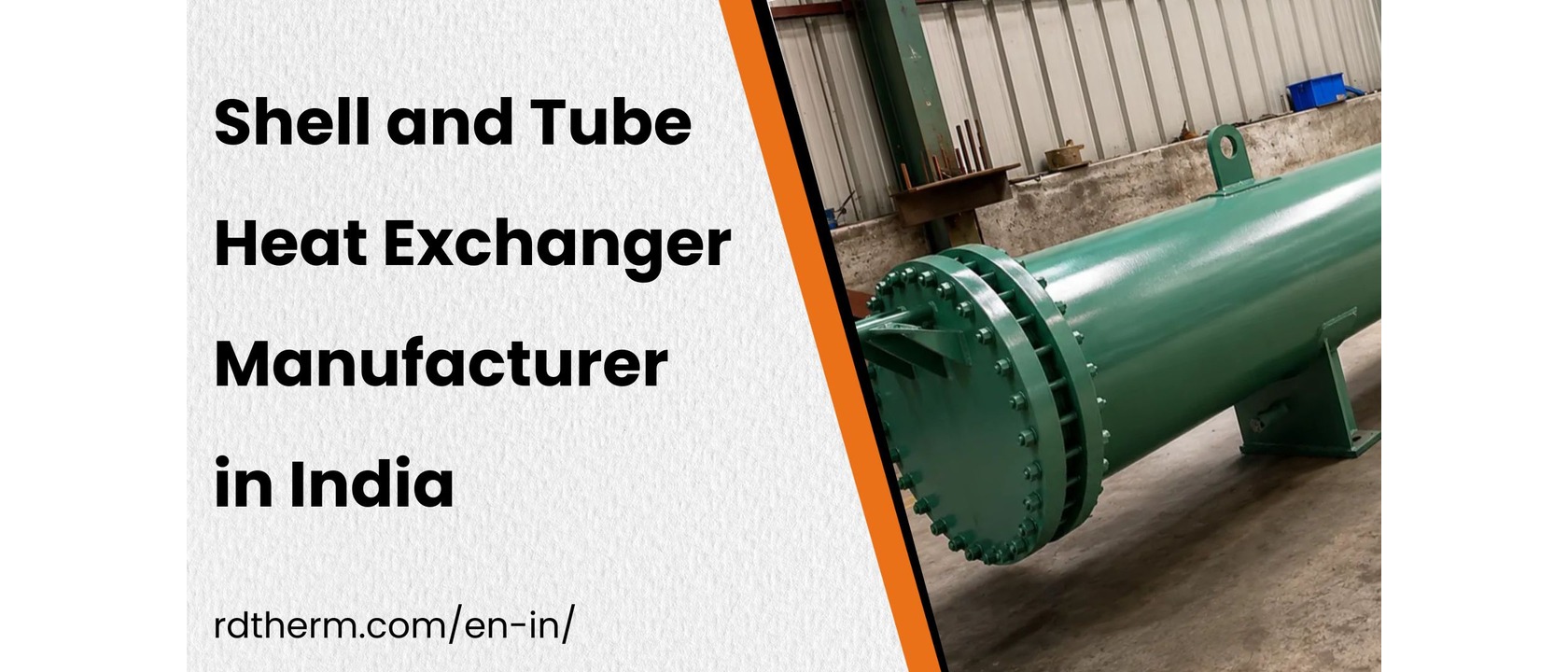
A shell and tube heat exchanger manufacturer in India designs and fabricates robust heat transfer equipment consisting of a bundle of tubes enclosed within a cylindrical shell, allowing one fluid to flow through the tubes and another around them to exchange heat efficiently under high pressure and temperature conditions.
Shell and tube heat exchangers remain one of the most widely used designs in industrial process plants worldwide. Their cylindrical geometry, ability to handle extreme operating conditions, and flexibility in materials make them suitable for demanding applications across oil refining, chemicals, pharmaceuticals, power generation, and other process industries. Indian manufacturers have developed strong capabilities in this area, offering both standard and custom-engineered units that meet international codes while serving domestic and export markets.
How Shell and Tube Heat Exchangers Work
In a typical unit, one fluid flows inside the tubes (tube-side) while the second fluid flows over the outside of the tubes within the shell (shell-side). Heat transfers across the tube walls. Baffles are usually installed on the shell side to direct the flow, increase turbulence, and improve heat transfer rates. Headers or channel covers distribute the tube-side fluid, and the design can incorporate single or multiple tube passes.
Key components include the shell, tube bundle, tube sheets, baffles, nozzles, and heads or covers. Proper selection of materials, tube layout, baffle spacing, and pass arrangement determines thermal performance, pressure drop, and ease of maintenance.
Main Types of Shell and Tube Heat Exchangers
Three primary configurations dominate industrial use, each with distinct strengths:
Fixed tubesheet designs are economical and compact when both fluids are relatively clean. U-tube units accommodate large temperature differences well and allow the bundle to be withdrawn. Floating head designs offer the greatest flexibility for cleaning and thermal expansion, making them common in refining and chemical services where fouling is expected.
Advantages in Industrial Service
Shell and tube heat exchangers excel where high pressures, high temperatures, or large heat duties are required. They can be constructed from a wide range of materials—carbon steel, stainless steels (304, 316, 904L), duplex grades, titanium, Hastelloy, and other alloys—to resist corrosion and meet process compatibility needs. Design codes such as ASME Section VIII, TEMA (Tubular Exchanger Manufacturers Association), and IBR provide clear frameworks for safety and reliability.
Other practical benefits include long service life when properly maintained, the ability to handle phase-change duties (condensers, reboilers, evaporators), and established inspection and repair practices. Compared with more compact alternatives such as plate heat exchangers, shell and tube units generally tolerate higher pressures and temperatures and are more forgiving of fouling in many process streams.
Common Applications Across Industries
These exchangers appear in crude oil preheat trains, product coolers, overhead condensers, reactor feed/effluent exchangers, solvent recovery systems, steam heaters, hydraulic oil coolers, and waste-heat recovery loops. In pharmaceutical and fine-chemical plants they support precise temperature control. Power plants and process industries use them for boiler feedwater heating and condensate cooling. Indian manufacturers frequently supply units for chemical, petrochemical, agrochemical, and oil-and-gas facilities both domestically and for export.
Material Selection and Quality Considerations
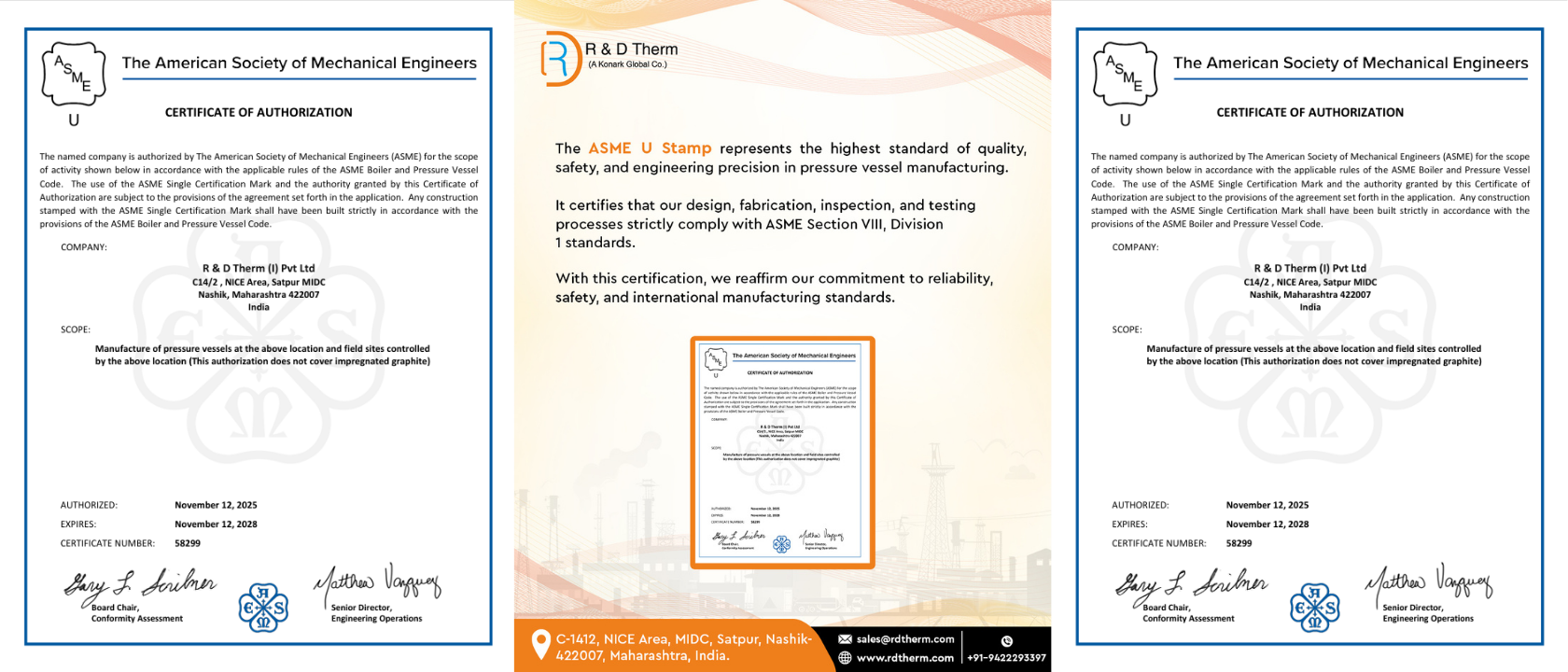
Material choice depends on fluid corrosivity, temperature, pressure, and cost. Carbon steel suits many hydrocarbon services. Stainless steels are preferred for aqueous or mildly corrosive streams. Exotic alloys such as titanium or Hastelloy are specified for highly aggressive media. Tubesheets, baffles, and shells must be compatible to avoid galvanic issues. Manufacturing quality—welding procedures, heat treatment, dimensional accuracy, and non-destructive testing—directly affects long-term reliability. Certifications such as ASME U Stamp and IBR indicate adherence to recognized pressure-equipment standards.
Selecting a Manufacturer in India
When evaluating suppliers, buyers typically examine design capability (thermal and mechanical calculations), fabrication facilities, material handling experience, third-party inspection acceptance (Lloyd’s, Bureau Veritas, etc.), delivery track record, and after-sales support. Capacity for larger diameters, longer tubes, or special alloys can be decisive for complex projects. Custom engineering that matches exact process conditions usually delivers better long-term performance than purely off-the-shelf solutions.
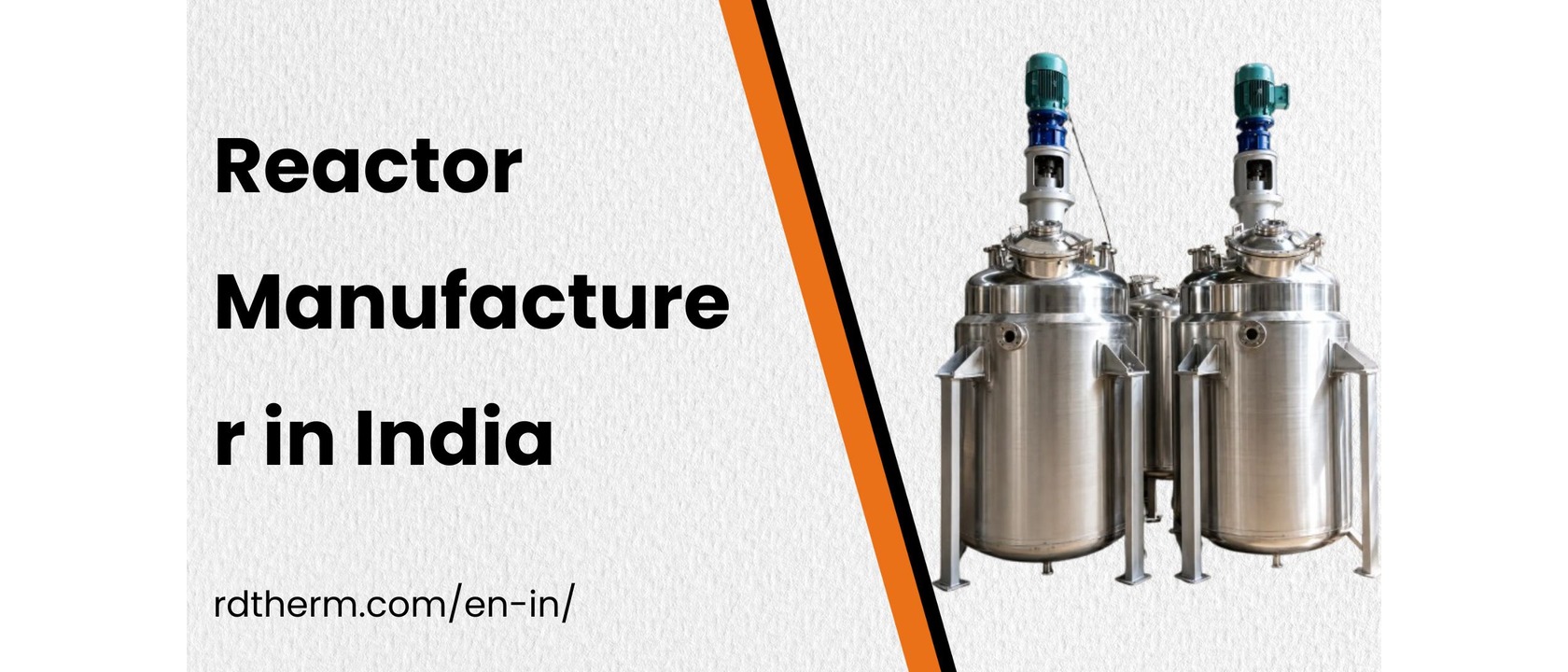
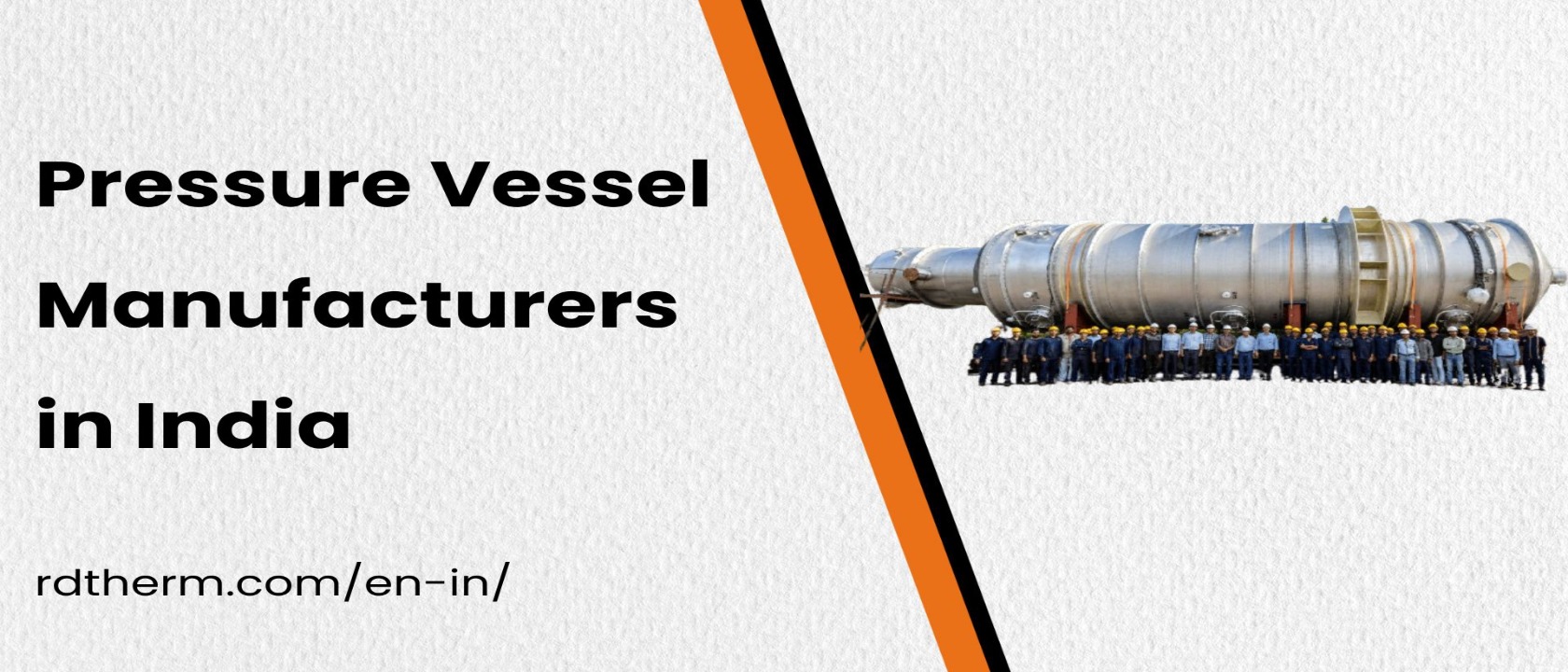
Among established fabricators, R&D Therm (R&D Therm India Pvt. Ltd.), based in Nashik, Maharashtra, has built a solid reputation since the mid-1990s. The company holds ASME U Stamp and IBR certifications and manufactures shell and tube heat exchangers along with related process equipment such as pressure vessels, distillation columns, and reactors. It works with carbon steel, stainless steels, titanium, Hastelloy, and other alloys, and has supplied equipment to chemical, pharmaceutical, and petrochemical clients under various third-party inspection regimes. Its focus on code-compliant fabrication and material traceability makes it a practical option for buyers seeking reliable industrial heat transfer equipment.
Frequently Asked Questions
1. What is the typical service life of a well-maintained shell and tube heat exchanger?
With appropriate material selection, regular cleaning, and proper operation within design limits, many units operate reliably for 20–40 years or longer.
2. Can shell and tube heat exchangers handle both liquid and vapor services?
Yes. They are routinely used as liquid-liquid exchangers, condensers, reboilers, evaporators, and gas coolers.
3. How does fouling affect performance, and what designs help manage it?
Fouling reduces heat transfer efficiency and increases pressure drop. Floating-head and U-tube designs allow mechanical cleaning of the tube bundle; fixed-tubesheet units rely more on chemical cleaning or process-side filtration.
4. What standards govern design and fabrication in India?
Common references include ASME Section VIII, TEMA, IBR (for certain boiler-related applications), and project-specific requirements from engineering consultants or end users.
5. When might a plate heat exchanger be preferred instead?
Plate units are often chosen for lower-pressure, lower-temperature, clean liquid duties where compactness and high heat-transfer coefficients are priorities and frequent mechanical cleaning of plates is acceptable.
Conclusion
Shell and tube heat exchangers continue to serve as workhorses of industrial heat transfer because of their mechanical strength, design flexibility, and ability to operate under demanding conditions. Choosing the right configuration, materials, and manufacturer determines whether the equipment delivers efficient, reliable performance over its service life. Indian fabricators with established quality systems and experience in process equipment play an important role in supplying these units to both domestic plants and international projects.
For organizations seeking a capable shell and tube heat exchanger manufacturer in India, R&D Therm offers a combination of code certifications, material expertise, and fabrication experience that aligns with typical process-industry requirements. Evaluating their capabilities against specific project needs can be a practical step toward reliable heat transfer solutions.
Read More: Shell and Tube Heat Exchanger Manufacturer in India
R&D Therm Engineering Desk
Have a process problem you'd like an engineer to weigh in on?
Drop us a note and one of our process or mechanical engineers will reply within one business day. No sales calls — just engineering.