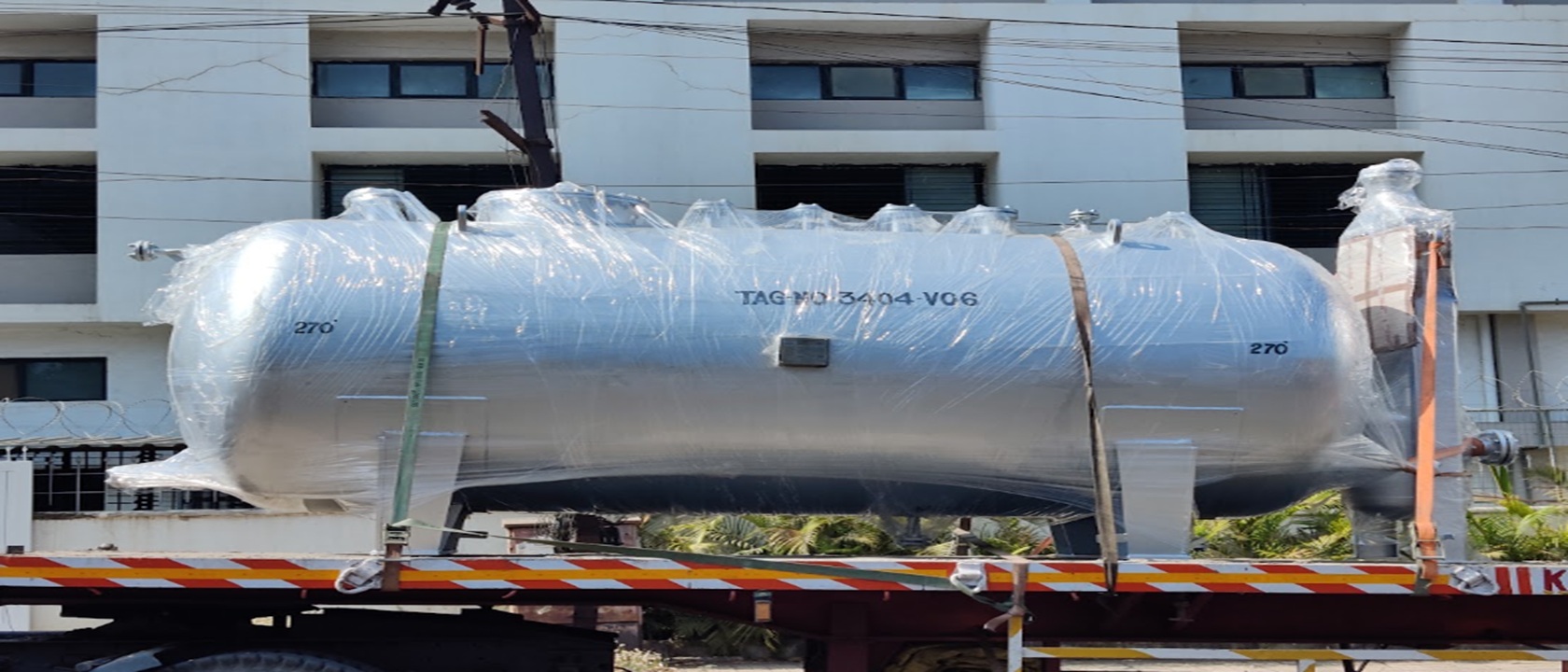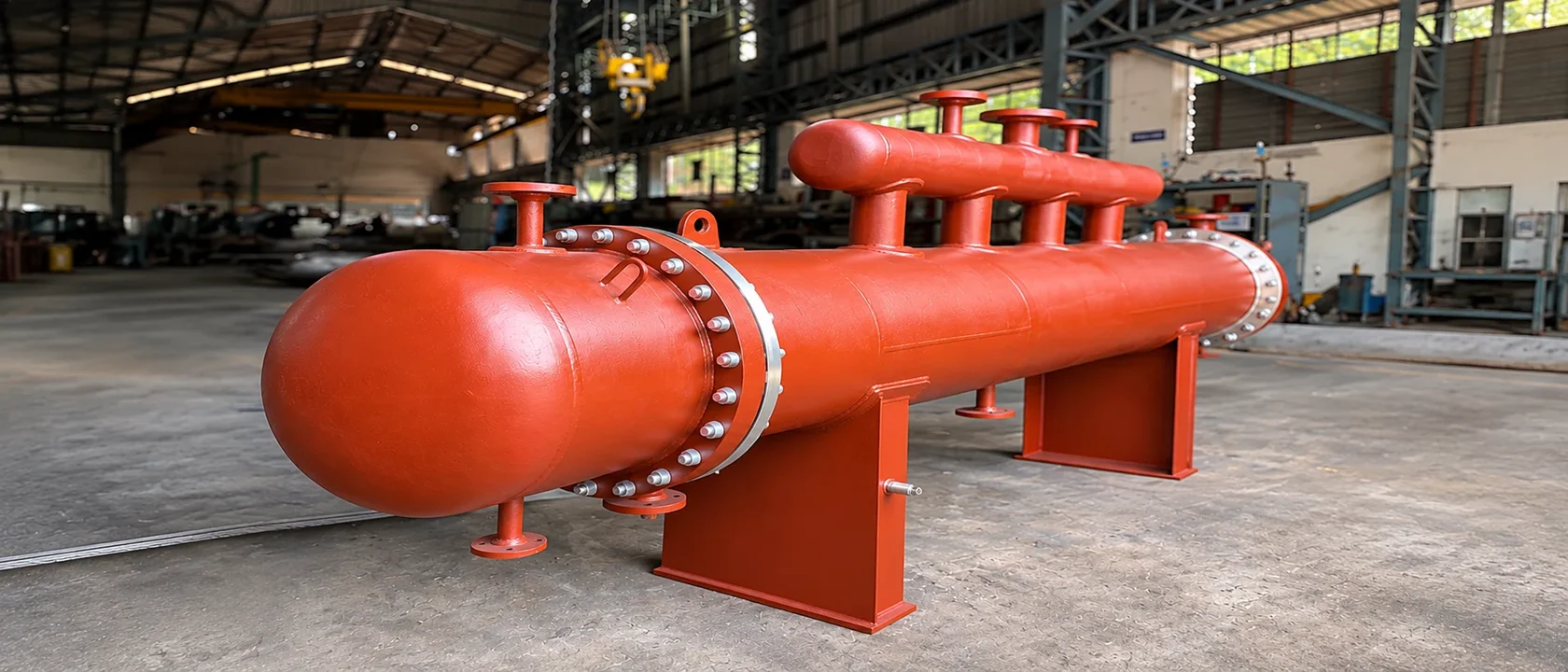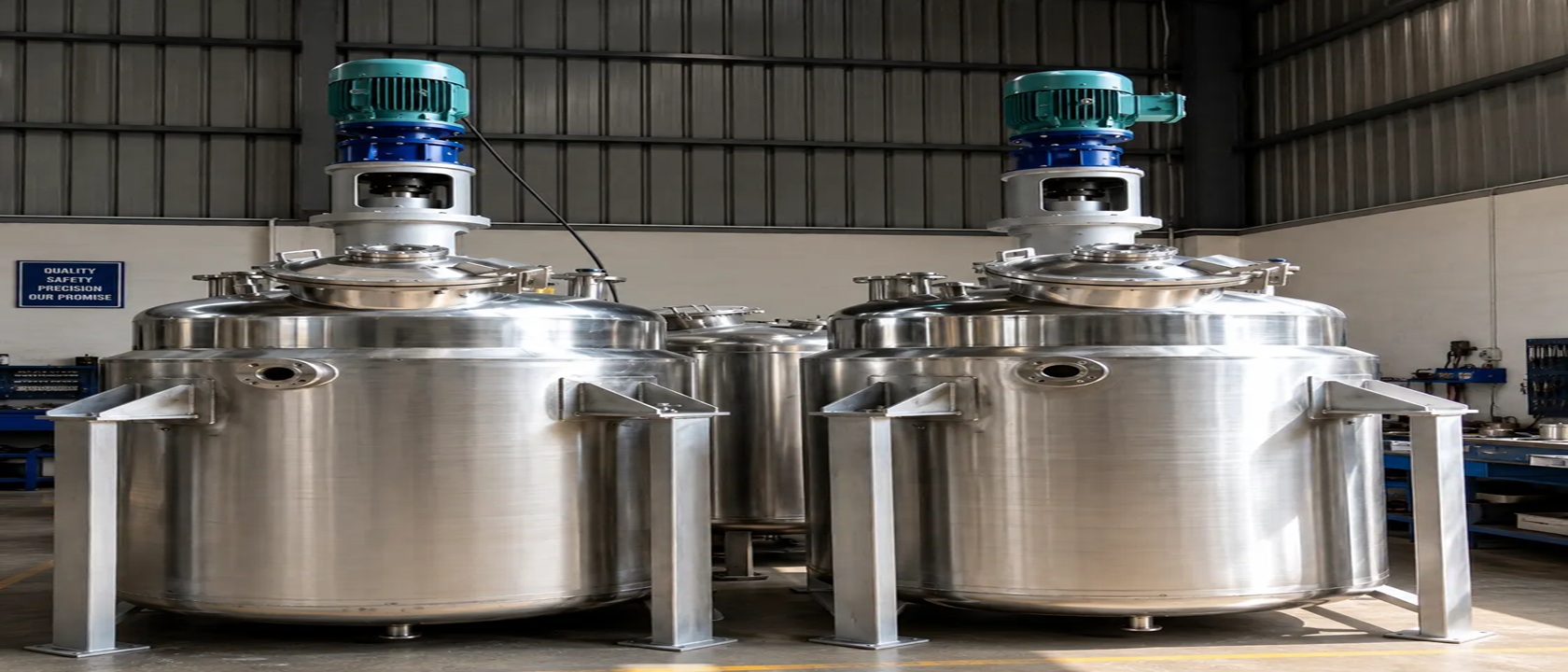
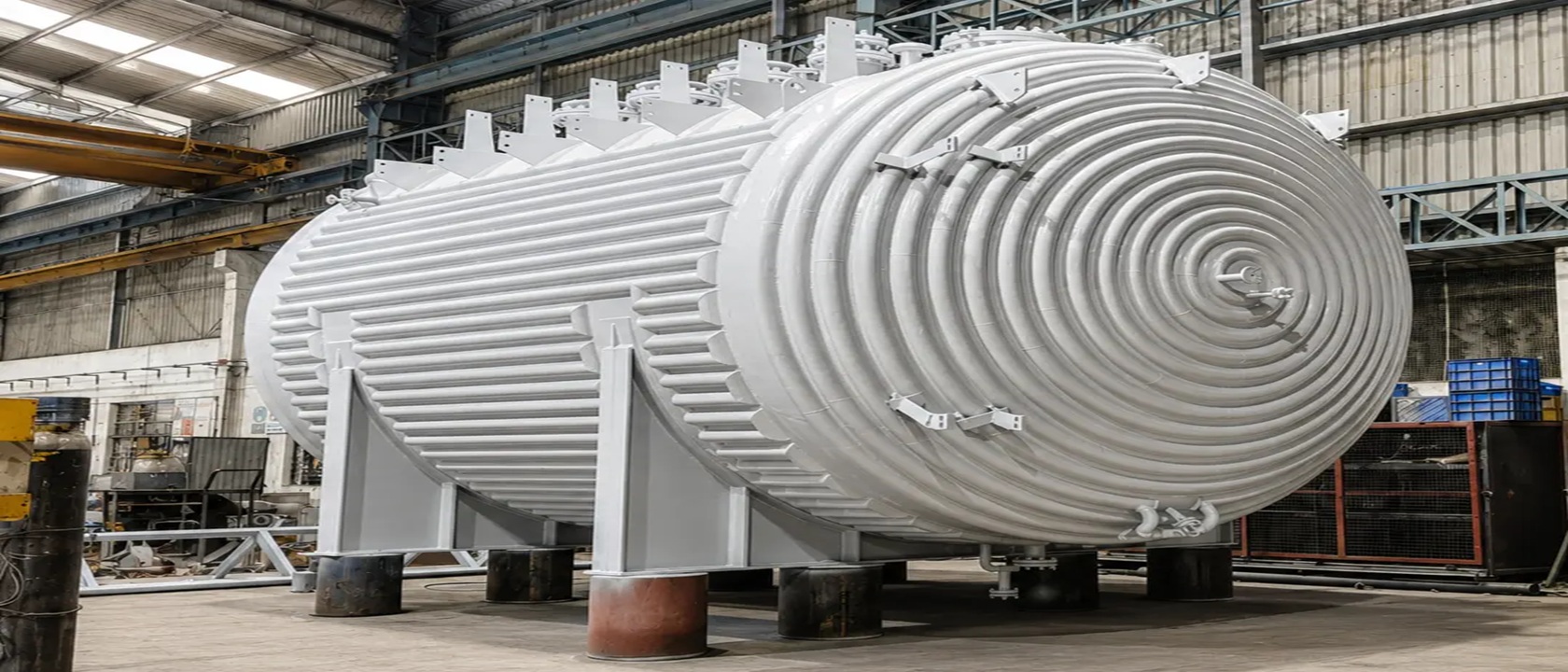
A custom pressure vessel manufacturer in India designs, engineers, and fabricates pressure vessels to exact process requirements, material specifications, design codes (primarily ASME Section VIII), and operating conditions rather than offering only standard off-the-shelf units.
Selecting the right partner is critical because pressure vessels store or process fluids at pressures significantly different from ambient conditions. Failures can lead to catastrophic safety incidents, production downtime, regulatory non-compliance, and costly project delays. Indian manufacturers serve domestic chemical, pharmaceutical, petrochemical, agrochemical, oil & gas, and power industries while increasingly exporting code-compliant equipment worldwide. Buyers face challenges around code compliance (ASME U Stamp, IBR, PED), material integrity (SS 304/316, carbon steel, exotic alloys such as Hastelloy or titanium), dimensional accuracy, welding quality, third-party inspection, and on-time delivery.
Decision Framework
Use this structured evaluation process when shortlisting a custom pressure vessel manufacturer in India:
Code & Certification Compliance
Confirm ASME U Stamp authorization, IBR certification where steam or high-pressure service applies, ISO 9001, and capability for PED, CRN, or other destination-market codes. Verify the quality manual and authorized inspector access.
Design & Engineering Capability
Assess in-house design strength: thermal/mechanical design, nozzle loads, wind/seismic analysis, finite element analysis for complex geometries, and ability to work from client process data sheets or detailed drawings. Prefer manufacturers who review and optimize designs before fabrication.
Material Expertise & Traceability
Evaluate experience with carbon steel (SA 516 Gr 70), stainless steels (304/304L, 316/316L), duplex, and high-alloy materials. Demand full material test certificates (EN 10204 3.1/3.2), positive material identification (PMI), and controlled storage/handling of exotic alloys.
Manufacturing Infrastructure & Process Control
Review facility size, plate rolling capacity, crane lifting limits, welding procedures (WPS/PQR qualified), post-weld heat treatment capability, and non-destructive examination (RT, UT, PT, MT) resources. Automated or semi-automated processes improve consistency and reduce cycle time.
Inspection, Testing & Documentation
Require stage-wise inspection, hydrostatic testing at the prescribed multiple of design pressure, final stamping, and complete documentation packages (as-built drawings, material certificates, NDE reports, and heat treatment charts). Third-party inspection (Lloyd’s, Bureau Veritas, TUV, EIL, etc.) should be routine.
Track Record & Project Fit
Examine past projects of similar size, pressure rating, material, and industry. Check references for delivery performance, site support, and after-sales responsiveness. Export experience indicates maturity in packaging, logistics, and international standards.
Commercial & Risk Factors
Compare total cost of ownership (not just lowest quote), payment terms, liquidated damages, warranty, and ability to handle change orders without major schedule impact. Single-source accountability from design through delivery reduces interface risks.
Score vendors against these criteria with weighted priorities matching your project risk profile. High-pressure, corrosive, or export projects should weight certifications, material control, and documentation more heavily.
Technical Deep Section
Pressure vessel design in India commonly follows ASME Boiler and Pressure Vessel Code Section VIII Division 1 (most common) or Division 2 for higher design margins and fatigue analysis. Indian Standard IS 2825 is also referenced for unfired vessels. Key design inputs include design pressure and temperature, corrosion allowance, joint efficiency, material allowable stresses, and external loadings (wind, seismic, nozzle).
Fabrication sequence typically involves: plate cutting and edge preparation, rolling or pressing of shells and heads, fit-up and welding (SMAW, GTAW, SAW), heat treatment when required by thickness or material, machining of flanges and nozzles, assembly, NDE, hydrostatic testing, surface treatment, and final inspection. Critical quality gates include control of ovality, alignment of nozzles, weld quality, and residual stress management.
Material selection is driven by process fluid corrosivity, temperature, and pressure. Carbon steel remains economical for non-corrosive service; stainless and higher alloys address chlorides, acids, or high purity needs. Clad or lined vessels are used when full exotic construction is cost-prohibitive. Welding procedures must be qualified for the specific material combinations, and heat input controlled to preserve corrosion resistance in stainless grades.
Hydrostatic testing is performed at 1.3 times the maximum allowable working pressure (or as code-specified) with calibrated gauges and witnessed by authorized inspectors. For vessels destined for Europe, PED conformity assessment modules apply; for Canada, CRN registration may be required. Documentation packages form part of the permanent plant records and are essential for regulatory audits and insurance.
Why R&D Therm Fits This Framework
R&D Therm India Pvt. Ltd. (Nashik, Maharashtra), established in the mid-1990s, operates an ASME U Stamp and IBR-certified facility focused on process equipment including custom pressure vessels, reactors, heat exchangers, distillation columns, tanks, air receivers, and deaerators.
The company works with materials ranging from carbon steel (SA 515/516) and mild steel to SS 304/316, Hastelloy, and titanium. Its manufacturing shop supports significant dimensions and uses automated equipment to improve throughput and consistency. Design and fabrication cover code-compliant vessels for chemical, pharmaceutical, agrochemical, oil & gas, and related industries.
R&D Therm routinely engages third-party inspectors (Lloyd’s, Bureau Veritas, EIL, Tata Consulting Engineers, and others) and delivers complete documentation packages. The facility in MIDC Satpur, Nashik, provides good industrial connectivity and resource availability. Clients have included major Indian process companies, and the firm has executed export projects. This combination of certifications, material range, inspection discipline, and process-industry focus aligns closely with the decision framework outlined above for buyers seeking a reliable custom pressure vessel manufacturer in India.
Practical Checklist (Highly Valuable)
Before awarding a purchase order, complete this checklist:
Obtain and verify current ASME U Stamp certificate and scope
Confirm IBR approval if applicable to the service
Review sample design calculations and drawings from similar past jobs
Check material approval procedure and PMI capability for alloy vessels
Verify WPS/PQR list covers the required materials and thicknesses
Confirm hydrostatic test capacity and NDE equipment availability
Request a typical documentation package index and sample reports
Visit the facility or conduct a remote audit of key processes
Obtain references from recent projects of comparable size and duty
Clarify inspection hold points, TPI coordination, and release procedures
Agree on design freeze milestones, change-order process, and delivery schedule with liquidated damages
Ensure packaging, marking, and shipping standards meet project and export requirements
Use the completed checklist as the basis for technical and commercial negotiations.
FAQs
What codes do Indian custom pressure vessel manufacturers typically follow?
Most follow ASME Section VIII Division 1. IBR applies for certain steam or high-pressure services in India. Export vessels may additionally require PED, CRN, or other national codes.
How long does it take to manufacture a custom pressure vessel?
Lead times vary with size, material, complexity, and order backlog—typically 8–20 weeks from approved drawings for moderate vessels. Exotic materials or heavy-wall construction extend timelines.
What information should I provide for an accurate quotation?
Process data sheet or design conditions (pressure, temperature, fluid), material of construction, capacity/dimensions, nozzle schedule, design code, inspection requirements, and delivery location.
Are ASME U Stamp vessels from India accepted internationally?
Yes, when the manufacturer holds a valid U Stamp authorization and the vessel is stamped and documented accordingly. Additional destination-country requirements (PED, etc.) must still be met.
How important is third-party inspection?
Highly important for critical service. Independent inspectors provide objective verification of material, welding, NDE, and testing, reducing owner risk and supporting insurance and regulatory acceptance.
Closing CTA
When your project demands a reliable custom pressure vessel manufacturer in India that combines ASME U Stamp capability, material flexibility, rigorous quality systems, and process-industry experience, evaluate R&D Therm against the decision framework and checklist above. Contact their engineering team with your process data sheet or drawings to receive a technical proposal and discuss how they can deliver code-compliant equipment on schedule.
Read More: Custom Pressure Vessel Manufacturer in India
R&D Therm Engineering Desk
Have a process problem you'd like an engineer to weigh in on?
Drop us a note and one of our process or mechanical engineers will reply within one business day. No sales calls — just engineering.